Wolfram Web Engine is a self-hosted web server for deploying Wolfram Language APIs, forms and web applications, providing a powerful and flexible way for organizations to integrate computational intelligence into web applications.
Key Features
With a streamlined architecture, Wolfram Web Engine provides essential tools for deploying APIs and customizing server behavior to fit diverse computational needs.
Standalone or Integrated
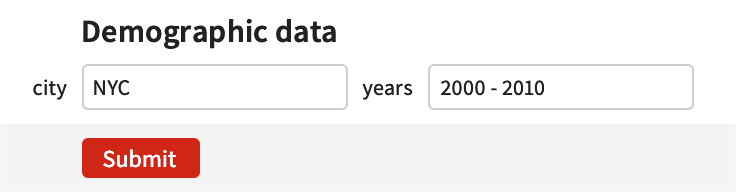
Deploy as a standalone component or integrate with existing server infrastructures, including databases.
Secure User Authentication
Supports authentication through Tomcat security constraints and realms.
Ready for Scale
Wolfram Web Engine is available as a container to integrate with your scaling solutions.
Continuous Integration and Deployment
Since a deployment is represented by files in directories, redeploying can be done with file-based tools like Git or rsync.
Flexible Hosting
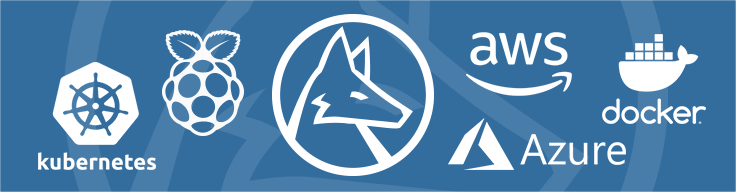
Suitable for deployment on anything from a Raspberry Pi to a cloud-hosted cluster.
Asset Management
Deploy static files and active web elements through ServiceDeploy or simply add files in the directory-based architecture. Redeploying is as simple as copying the files and directories.

Wolfram Ecosystem
Easily move from prototyping in a notebook to testing in the cloud to production deployment on Wolfram Web Engine as your project progresses.
Get Started
Wolfram Web Engine is already in production use by consulting teams and enterprise clients. If you're looking for a powerful, flexible and cost-effective way to deploy Wolfram Language over the web, Wolfram Web Engine is your solution.
Contact Us Contact us to learn more about licensing, deployment and service options
Q&A
Why Wolfram?

Consistent
Wolfram Language has maintained code compatibility for more than three decades thanks to a consistent design process and long-term vision led by Stephen Wolfram.

Connected
Wolfram Language has built-in connectivity to a broad spectrum of languages, services, programs, databases, technologies, devices and now blockchains and distributed ledger technologies.

Trusted
Decades of R&D and corporate excellence led the Wolfram brand to become one of the most trusted names in computation, and are incredibly valuable assets in their own right.

Experienced
We know what is possible with computational technology because we are global leaders in creating it—building cutting-edge solutions used by Fortune 500 companies.
How does Wolfram Web Engine differ from other Wolfram server options in deployment and capabilities?
- Wolfram Web Engine is the technology that the other products are built around and is the core of all Wolfram Language–based functionality in a server environment.
- Notably, the cloud products offer notebook interfaces and user management tools, which are not part of Wolfram Web Engine.
- See the Server Deployment Options page for more information about server features.
What types of organizations benefit most from using Wolfram Web Engine?
Wolfram Web Engine is a standards-based core computation component. That means it can run on small-scale and lower-powered servers. It can also serve as a robust part of a larger tech stack and interoperate with other systems.
What authentication options are available for securing Wolfram Web Engine deployments?
Wolfram Web Engine conforms to the Jakarta Servlet API and can leverage security realms or any off-the-shelf or custom Java solutions. This includes but is not limited to HTTP Basic Authorization, LDAP, OAuth and more.
What are the technical requirements for setting up Wolfram Web Engine on my own server or a cloud platform like AWS?
- You only need an environment that supports Jakarta Servlets (for example, Tomcat) and a Wolfram Engine.
- We officially support installation on Tomcat 10. Contact us if you need a solution that supports other environments.
Can I use Wolfram Web Engine in combination with containers (for example, Docker or Kubernetes)?
Yes! We distribute an official Docker image here. It's also easy to create your own container for Wolfram Web Engine.
Does Wolfram Web Engine work well with LLMs?
We suggest using one of our cloud products, which have built-in sandboxing that is suggested for working with LLMs. Contact us to discuss options.