
 Data Science
Employ a multiparadigm approach for your data science projects. Develop modular, flexible and scalable workflows to import, process, analyze and visualize data. Learn about easy-to-use functions, repositories, frameworks and interfaces while applying algorithms and techniques from across multiple disciplines.
These courses showcase some of the computational processes driving data analysis and visualization, the application of automated machine learning tools and the use of natural language queries within a symbolic framework. Topics covered also include the use of interactive Wolfram Notebooks and the cloud for generating reports and deploying data products. Earn course completion certificates and work toward Level 1 and Level 2 data science certifications.



Upcoming Events
-
Apr 30 | Online
Data Visualization with Wolfram Language
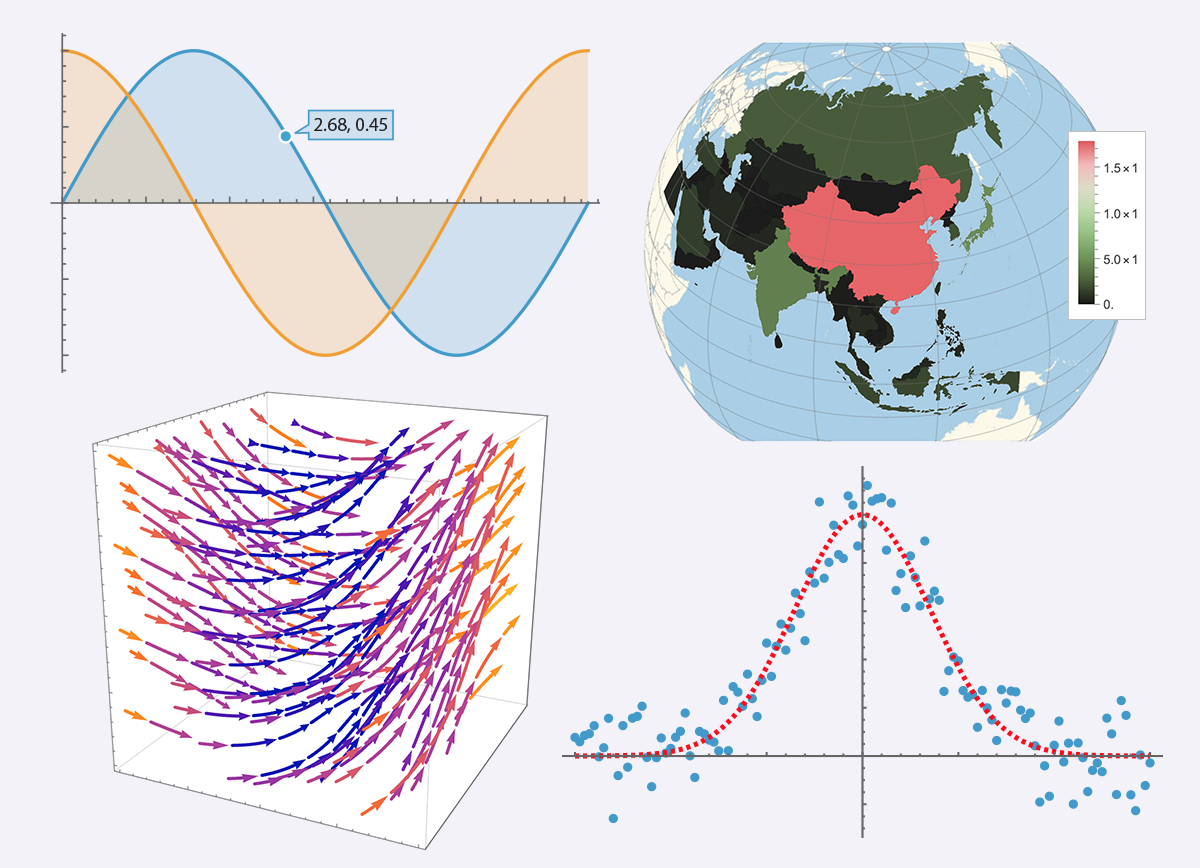
The course is intended for anyone who wants to learn more about data. With the use of a curated dataset from the Wolfram Data Repository, this course shows how to quickly visualize different data structures and how to make your graphics ready to publish and share. Domain-specific functions as well as general techniques are shared for getting the most out of your graphics. The course is intended for anyone who wants to learn more about data visualization using Wolfram Language.
See Details and Register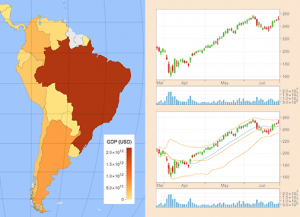
May 13 | Online
Computational Economics with Wolfram Language
This presentation showcases the ways that Wolfram Language integrates ready-to-use financial and socioeconomic data, automated modeling functionalities and powerful data visualization tools to advance economics and business intelligence workflows.
See Details and Register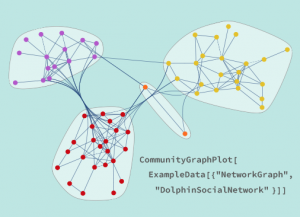
May 20 | Online
Computational Social Science with Wolfram Language
This webinar showcases Wolfram Language as a unified solution for social science research and teaching. Find out how you can elevate your workflows with powerful text analysis tools, social network computation and ready-to-use computable datasets covering finance and socioeconomics, media and culture, history and geography and much more. The one-hour session features real-world examples that use Wolfram Language for data explorations of interest to researchers, professionals and students.