Civil Engineering
Combine real-world design with computation & visualization
Unify your data, computation and visualization workflows to build and communicate reliable results
- Cross-domain modeling in structural, geotechnical and hydraulic engineering and more
- High-accuracy solutions for large degree-of-freedom nonlinear PDE and ODE systems
- High-quality visualizations and interactive simulations of load paths, deflection, seepage, stability, thermal stress and flow fields
- Integration of geographic, time series, lab test and other data to connect ideas to results

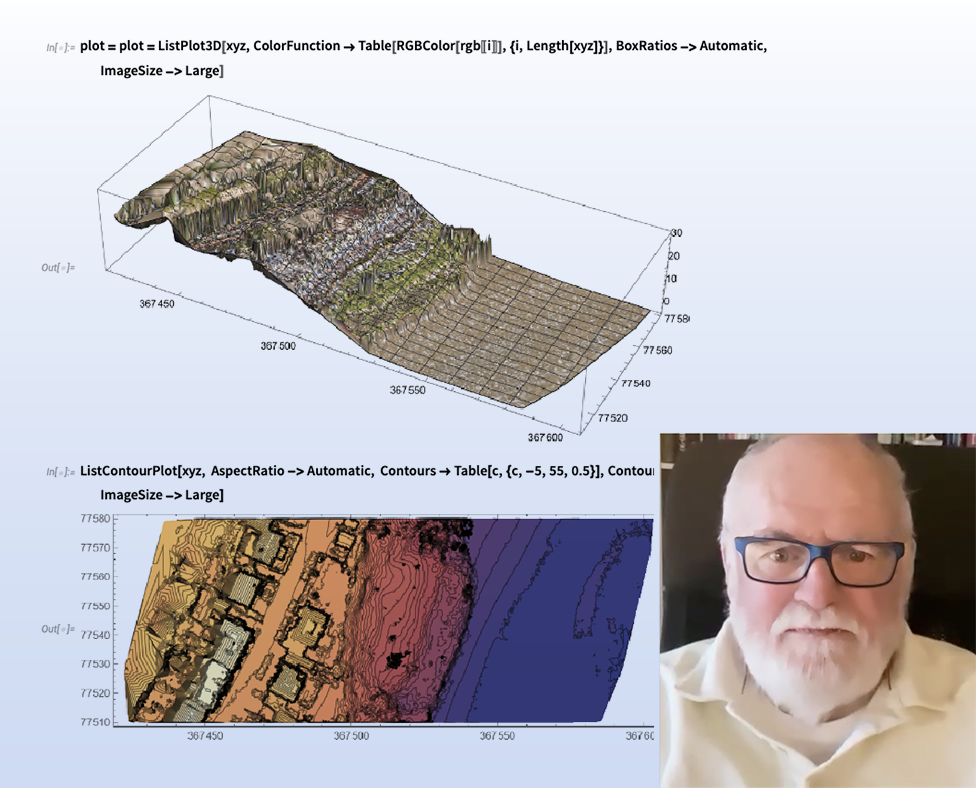
You can build yourself a set of functions to do all your day-to-day work very efficiently, and it's very easy to do.
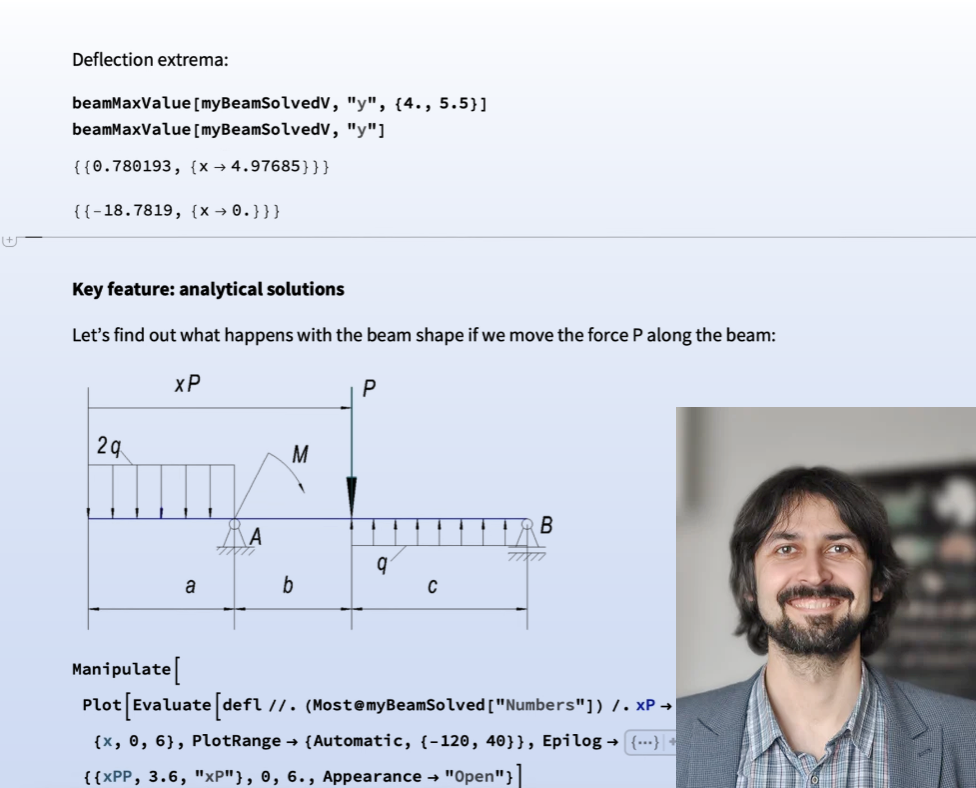
The package helped to solve one key problem in the mechanics of materials, namely to solve the beam bending equation.
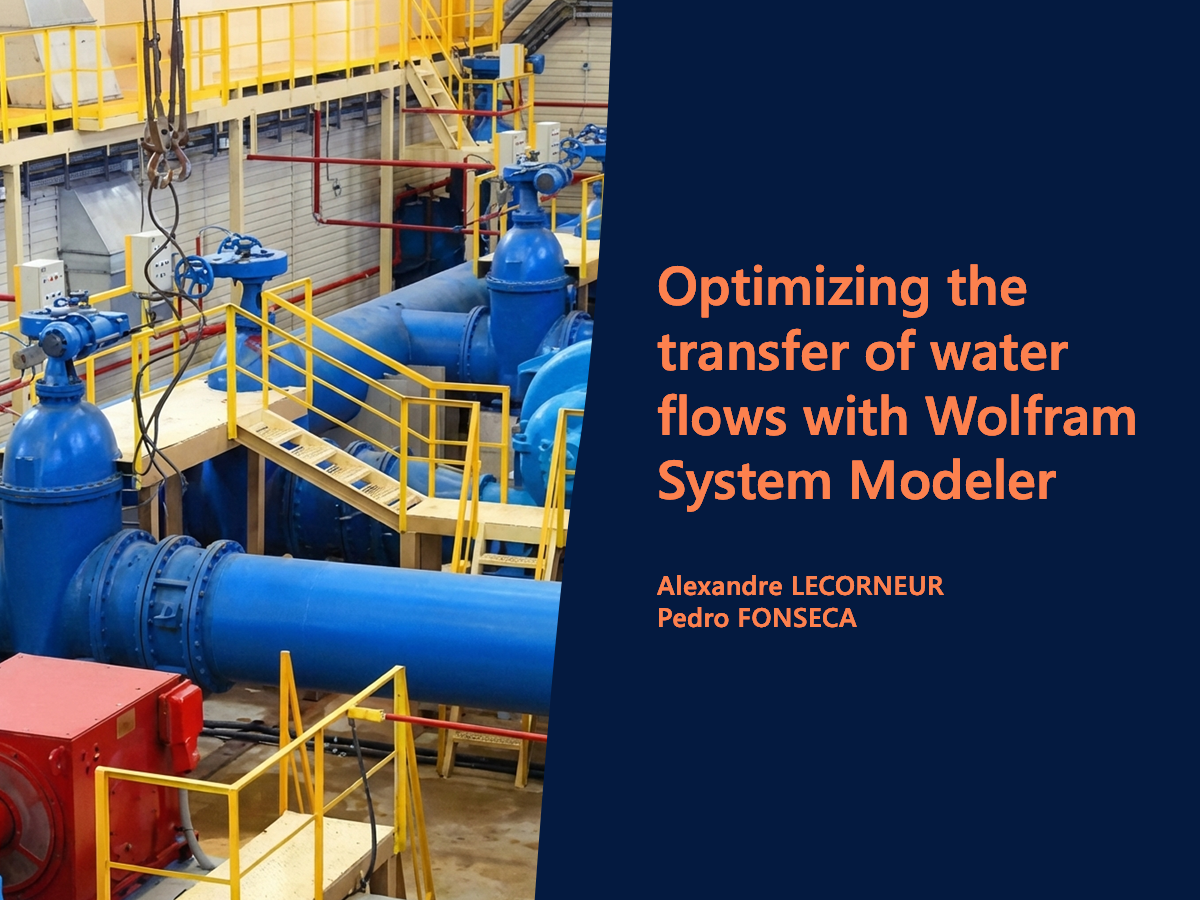
Now we can really use it on real cases with great benefit. It brings flexibility to the workflow.
Model, solve and analyze across civil engineering domains
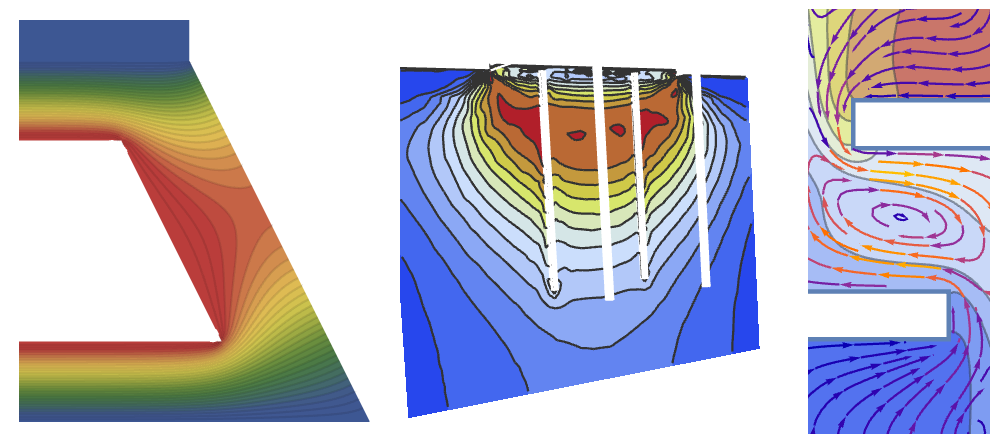
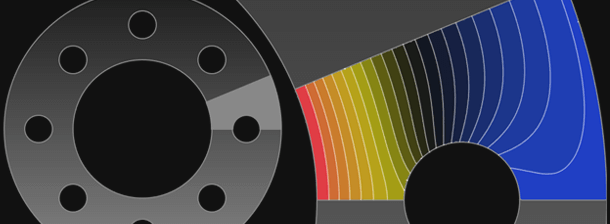
Finite Element Analysis
Run fast, high-precision simulations of stress, deformation and thermal behavior directly from imported geometry and material parameters.
Finite Element MethodMesh GenerationPDE ModelingThermal Load on a BeamSolid Mechanics MonographHyperelasticity MonographPlasticity Monograph
Finite Element Analysis
Run fast, high-precision simulations of stress, deformation and thermal behavior directly from imported geometry and material parameters.
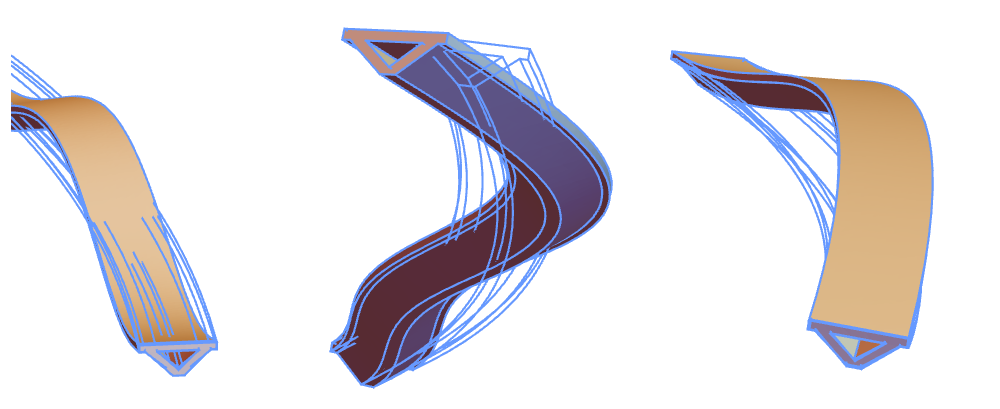
Beam Analysis
Model and analyze beam loading conditions with symbolic-numeric precision, quickly computing deflection, shear and bending stresses for safer and more optimized designs.
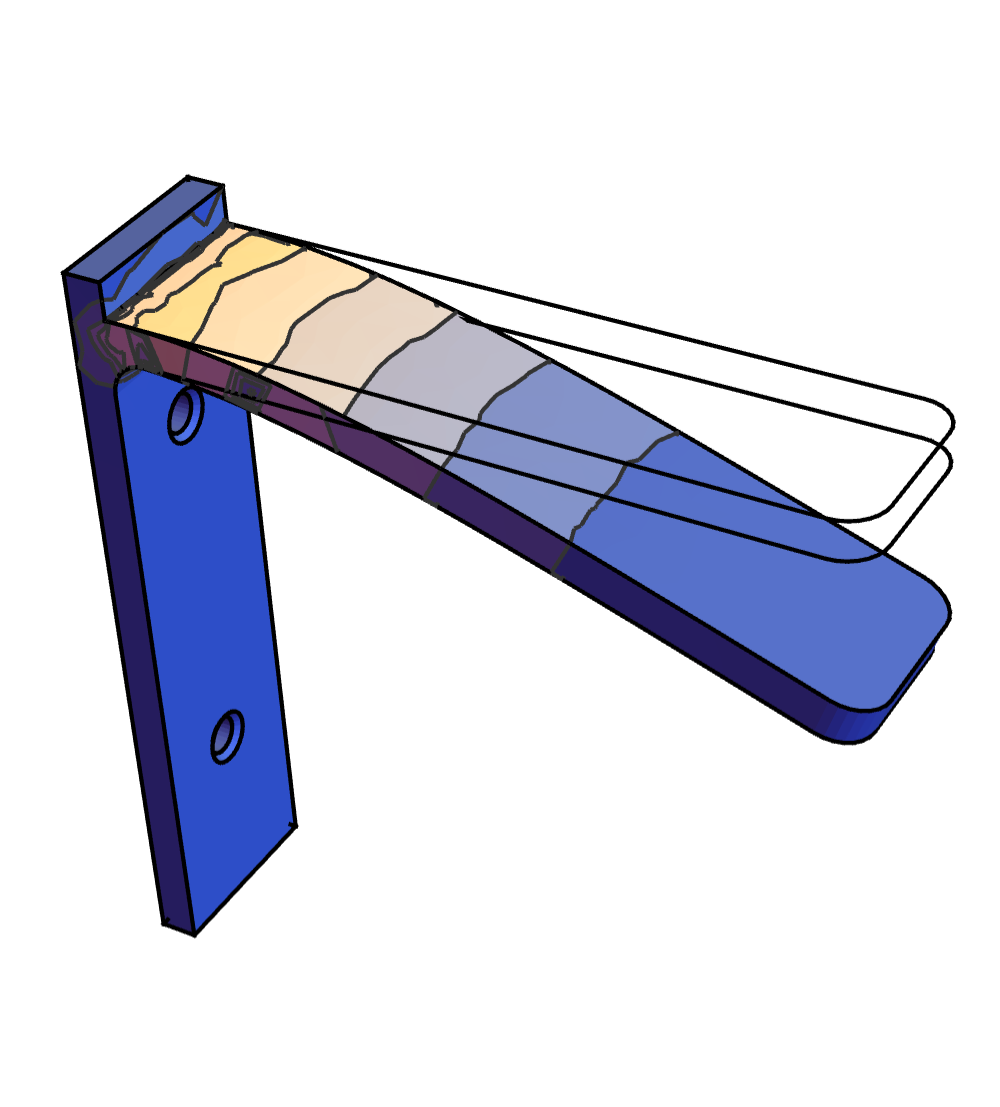
Elastic Body DeformationThermoelasticitySolid Mechanics PDEs and Boundary ConditionsBeam Spring Mass ModelThermal Load on a BeamVibration Suppression on a Hinged Three-Layer Sandwich Beam
Beam Analysis
Model and analyze beam loading conditions with symbolic-numeric precision, quickly computing deflection, shear and bending stresses for safer and more optimized designs.
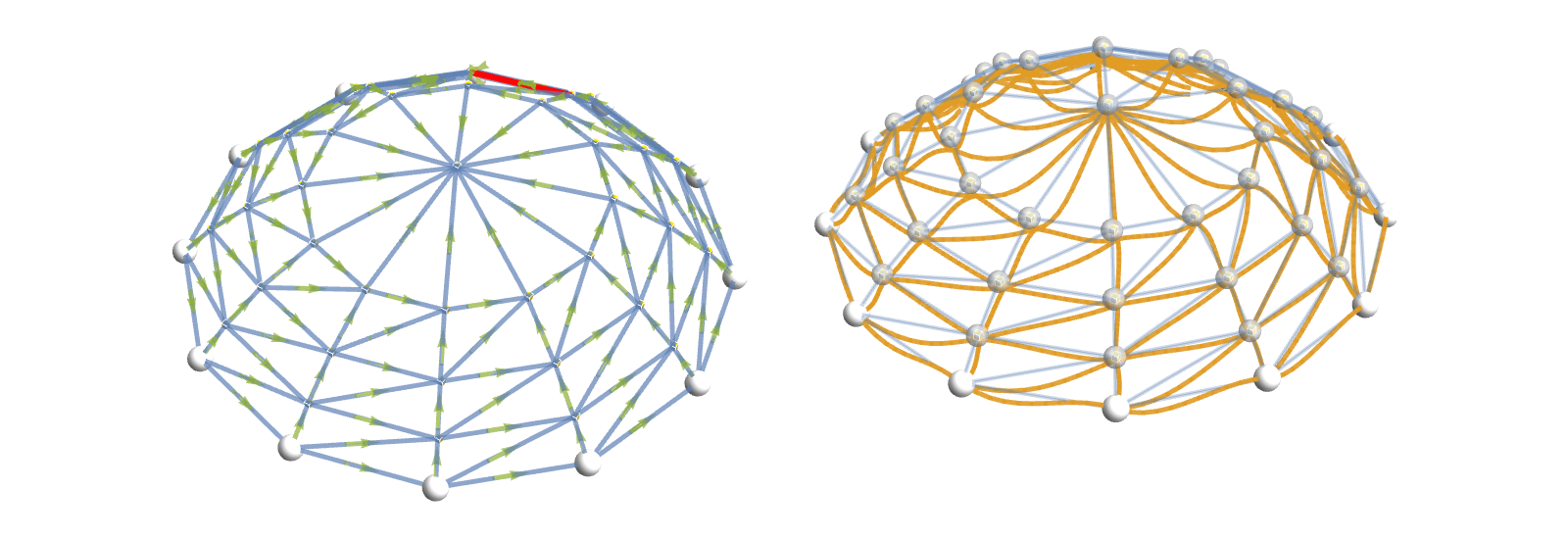
Truss Analysis
Perform automated truss analysis, quickly solving joint forces and member stresses while providing clear visualizations for structural evaluation and optimization.
Analysis of a Single-Span Euler–Bernoulli Beam under Different Loading ConditionsMethod of Sections to Solve a TrussDetermine the Type of Stress in Each Member of a TrussForces in a Power Tower TrussCremona Diagram for Truss AnalysisFramica PacletSolving a Double Scissor TrussFunctions for Matrix Computation and Linear Algebra
Truss Analysis
Perform automated truss analysis, quickly solving joint forces and member stresses while providing clear visualizations for structural evaluation and optimization.
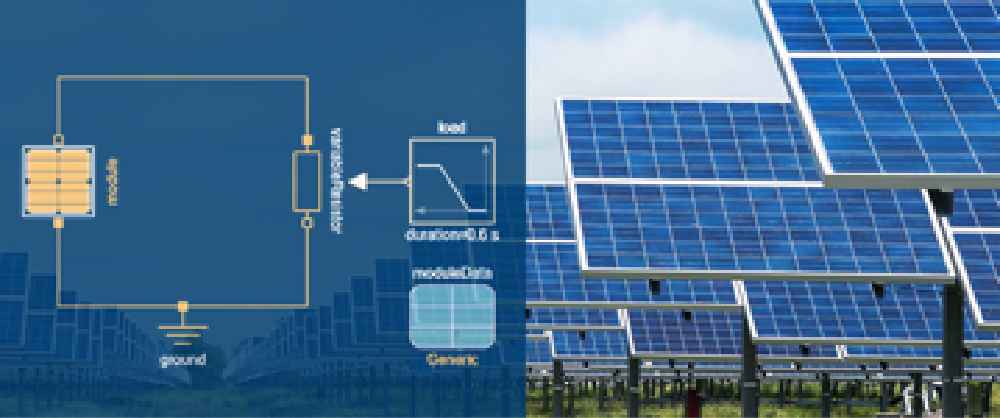
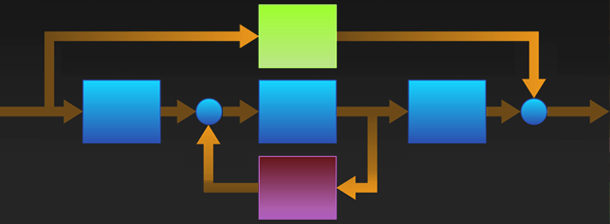
System Modeling
Explore system-level engineering behavior with dynamic simulation, virtual prototyping and integrated modeling in Wolfram System Modeler.
Wolfram System ModelerValidating Thermal Runaway Risk in Process PlantsSimulation of PV Module of Solar PanelSimulation of Changing Refrigerator TemperaturesRoom HeatingAir Conditioning: Effect of Building OrientationBattery: Model a Chemical Electrical System
System Modeling
Explore system-level engineering behavior with dynamic simulation, virtual prototyping and integrated modeling in Wolfram System Modeler.
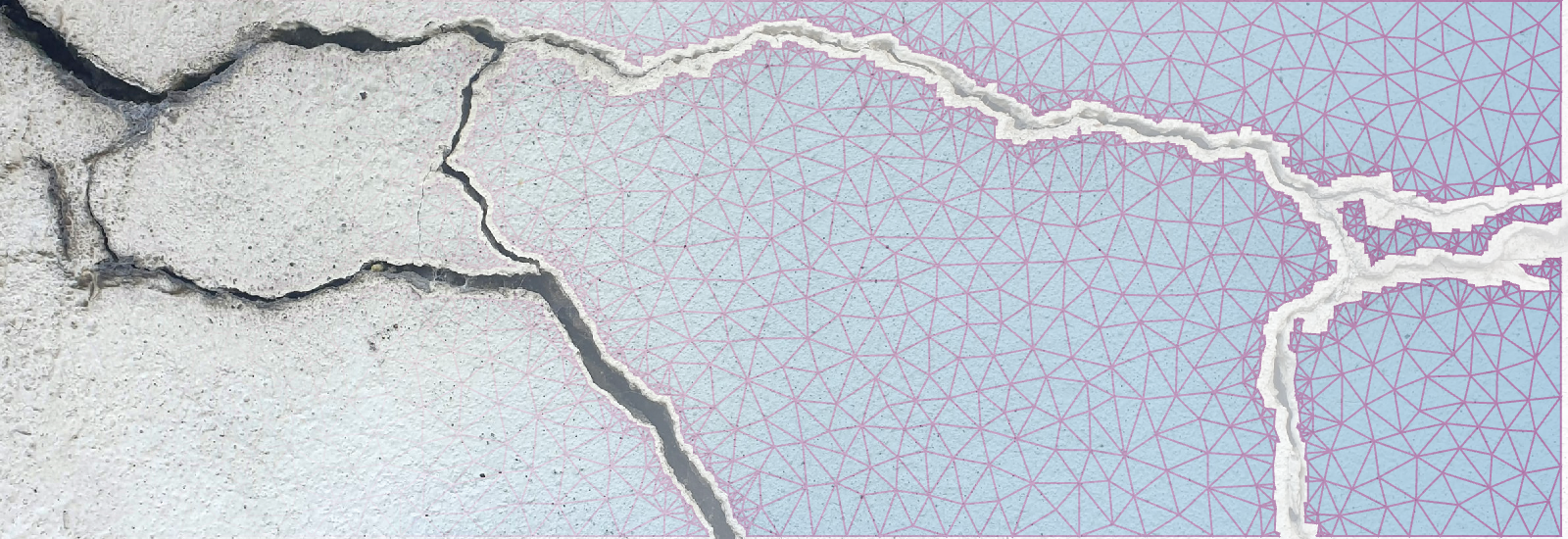
Material Fatigue & Failure Analysis
Automate fatigue and failure analysis workflows—identify stress cycles, predict limit states and assess probabilistic reliability with high precision and uncertainty quantification.
Manmade & Natural Material Properties Rotating Beam Fatigue TesterCrack Propagation and Stress Field for 2D Tensile LoadsPrincipal Stresses and Mohr's Circle for Plane StressSlope StabilityPlasticity MonographTresca Yielding Criterion For Ductile MaterialsDistributions in Reliability Analysis
Material Fatigue & Failure Analysis
Automate fatigue and failure analysis workflows—identify stress cycles, predict limit states and assess probabilistic reliability with high precision and uncertainty quantification.
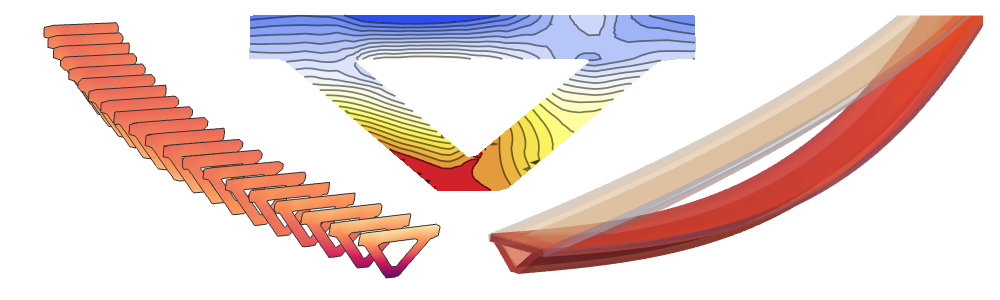
Stress and Strain Distribution
Compute stress and strain in civil engineering structures and visualize with high-resolution, interactive plots.
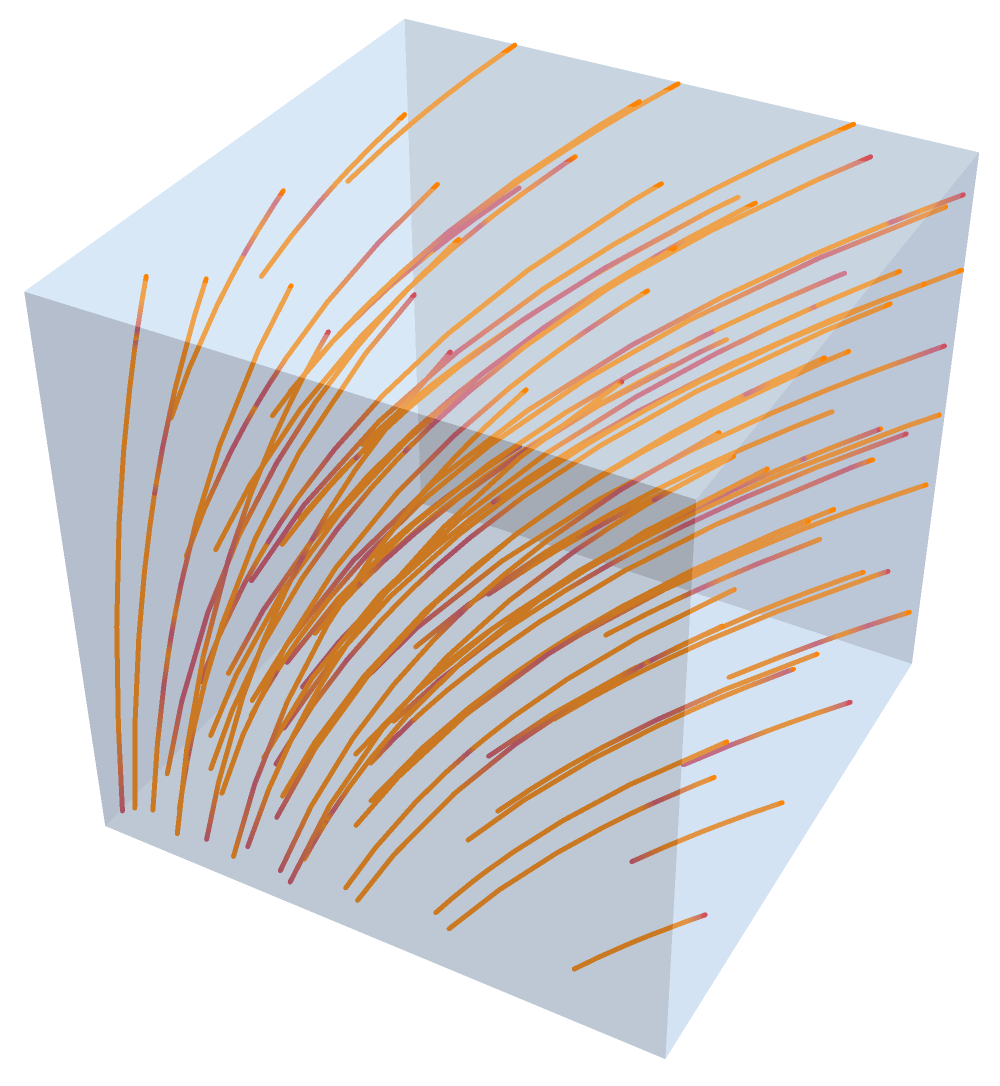
Deformations, Stress & Strain AnalysisVectorDisplacementPlotVectorDisplacementPlot3DSliceContourPlot3DGuide to Vector VisualizationStress and Displacement Analysis of an L-Shaped Elastic Body
Stress and Strain Distribution
Compute stress and strain in civil engineering structures and visualize with high-resolution, interactive plots.

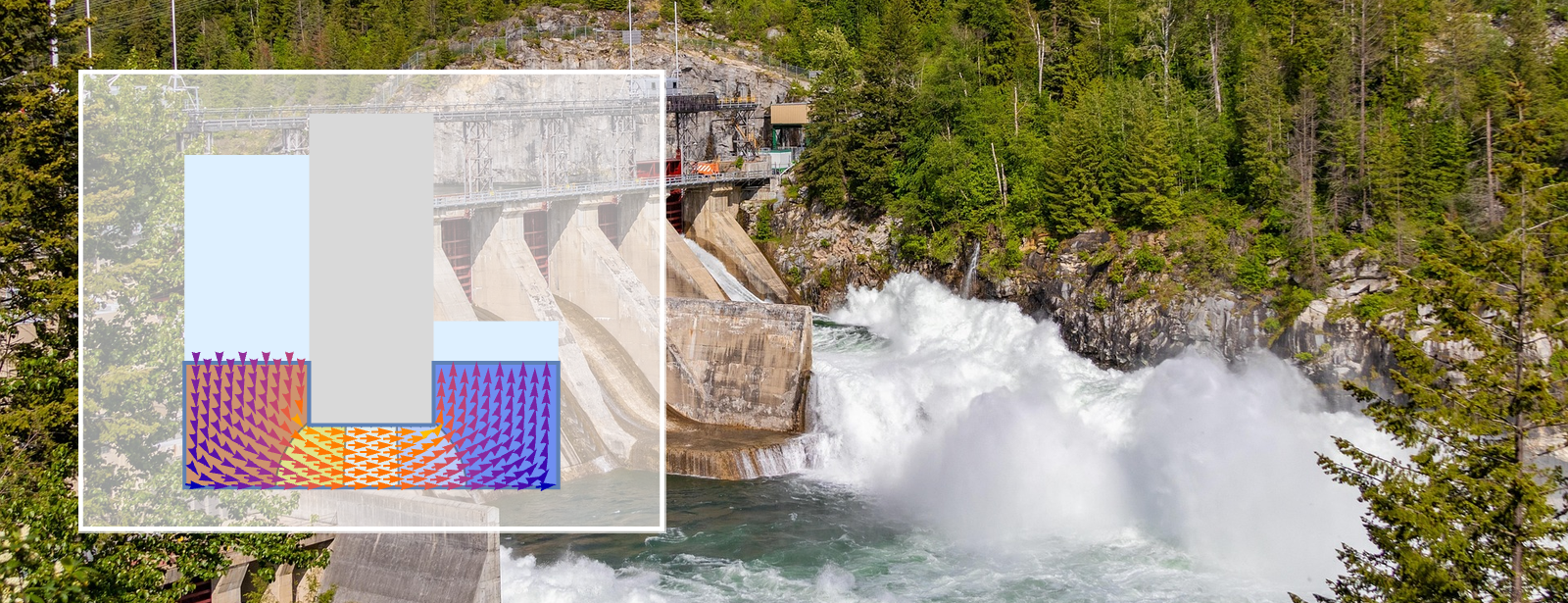
Flow Behavior and Hydraulic Performance
Model and simulate fluid mechanics systems, enabling precise analysis of flow behavior, pressure distributions and hydraulic performance.
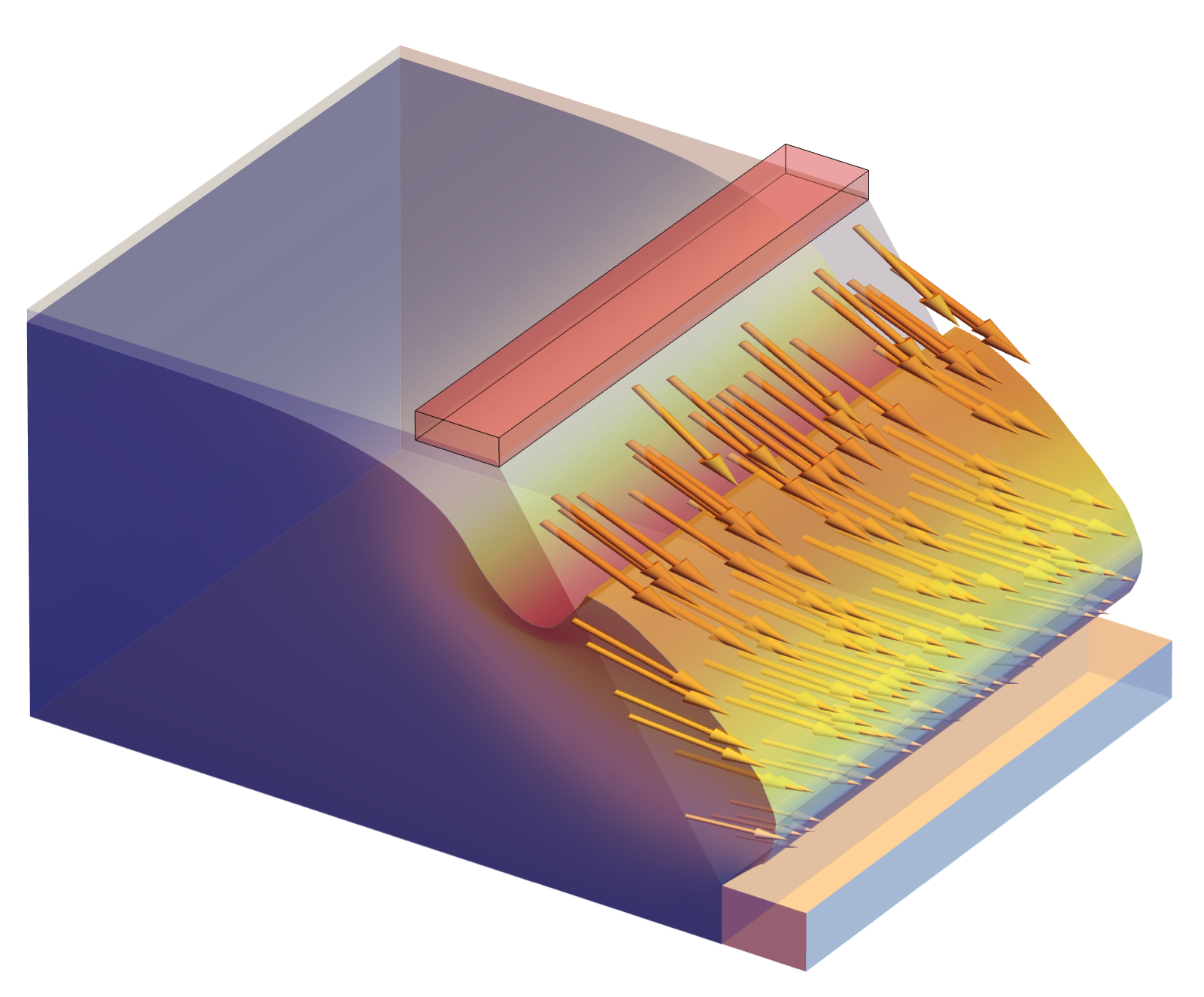
FluidFlowPDEComponentLaminar FlowNon-Newtonian FlowLiquid Diffusion under a DamEquivalent Forces due to Hydrostatic Pressure on a DamSeepage under a Dam by Flow NetsDigging into River-Aquifer Interactions
Flow Behavior and Hydraulic Performance
Model and simulate fluid mechanics systems, enabling precise analysis of flow behavior, pressure distributions and hydraulic performance.
Numerical Solvers for Complex Structural Calculations
Efficiently solve large-scale linear algebra matrix and PDE systems, supporting theoretical and applied analyses.
Optimized Matrix OperationUsing Green’s Functions to Determine Displacement of a Tensioned StringA Rolling Square Bridge: Reimagining the WheelPlanar Elastica under a Concentrated End LoadUncertainty Analysis of Poisson’s RatioSolvers over RegionsDifferential Equations
Numerical Solvers for Complex Structural Calculations
Efficiently solve large-scale linear algebra matrix and PDE systems, supporting theoretical and applied analyses.

Control-Theoretic Structural Vibration Design
Apply control theory to analyze wind-induced resonant frequencies, optimize damping strategies and enhance structural stability under dynamic loads.
Wolfram Control SystemsFourier AnalysisLinear Quadratic Regulator for Spring-Damper SystemModel for Earthquake on a Tall Building3D Tuned Mass Damper Dynamics: Interactive Oscillation VisualizationTuned Mass Damper
Control-Theoretic Structural Vibration Design
Apply control theory to analyze wind-induced resonant frequencies, optimize damping strategies and enhance structural stability under dynamic loads.
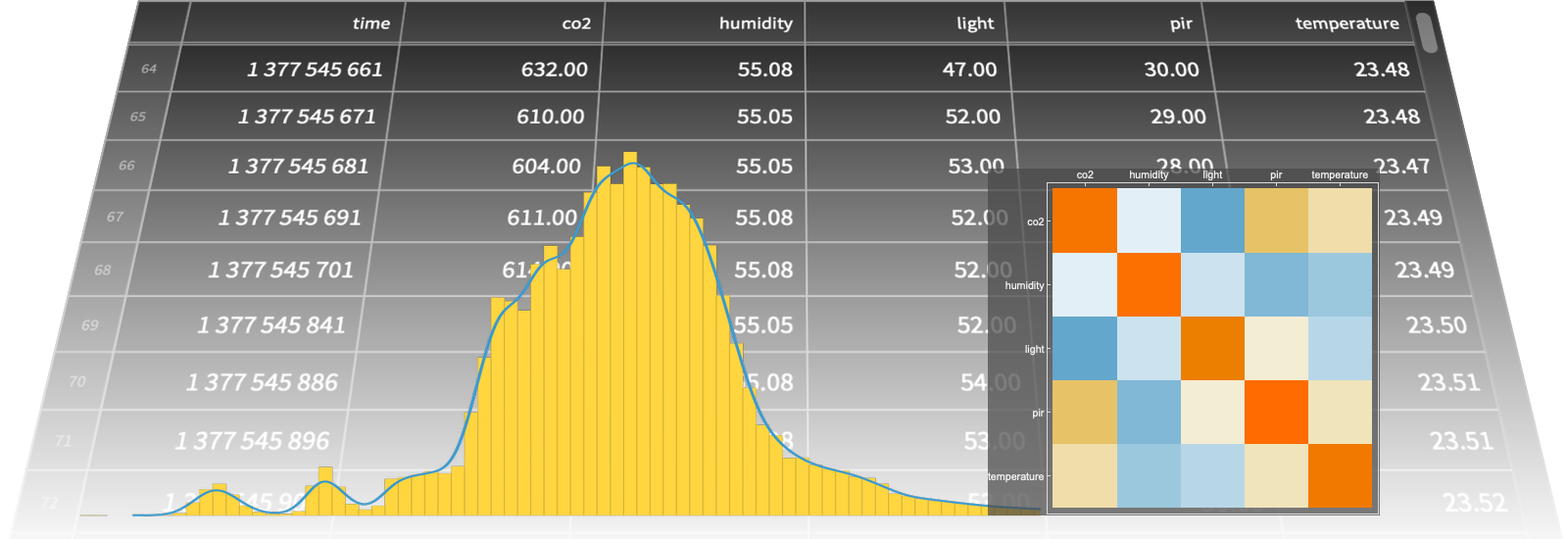
Data-Driven Structural Insight and Visualization
Wolfram brings together time series analysis, tabular data processing, image processing and AI in one unified environment—turning large-scale data into structural insight and clear visualization.
Tabular ProcessingTime Series ProcessingMachine LearningConcrete Crack Classification with Deep LearningSeamless Connection to External DataSensor Data Analysis for Smart Building SystemElevation Drainage NetworksImage Processing for Continuous Monitoring of Cracks in Civil Construction
Data-Driven Structural Insight and Visualization
Wolfram brings together time series analysis, tabular data processing, image processing and AI in one unified environment—turning large-scale data into structural insight and clear visualization.
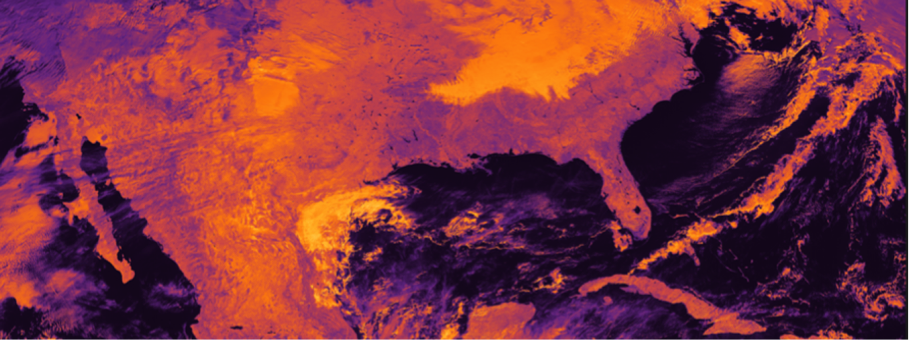
Weather Analysis for Critical Structures
Import from ERA datasets or real-time GOES-R satellite imagery and automatically analyze wind, cloud, rainfall and earthquake data to optimize predicted risk models.
Weather Data FunctionsWeather & Meteorology in Wolfram|AlphaComputational Meteorology: Visualize Stratospheric Polar VortexModeling Actuarial Risk and Flood-Related Financial LossesAnalysis of Wind Intensity and Cloud CoverageAWS Service ConnectionSunny Day FloodingAI Weather Forecasts without a Supercomputer
Weather Analysis for Critical Structures
Import from ERA datasets or real-time GOES-R satellite imagery and automatically analyze wind, cloud, rainfall and earthquake data to optimize predicted risk models.
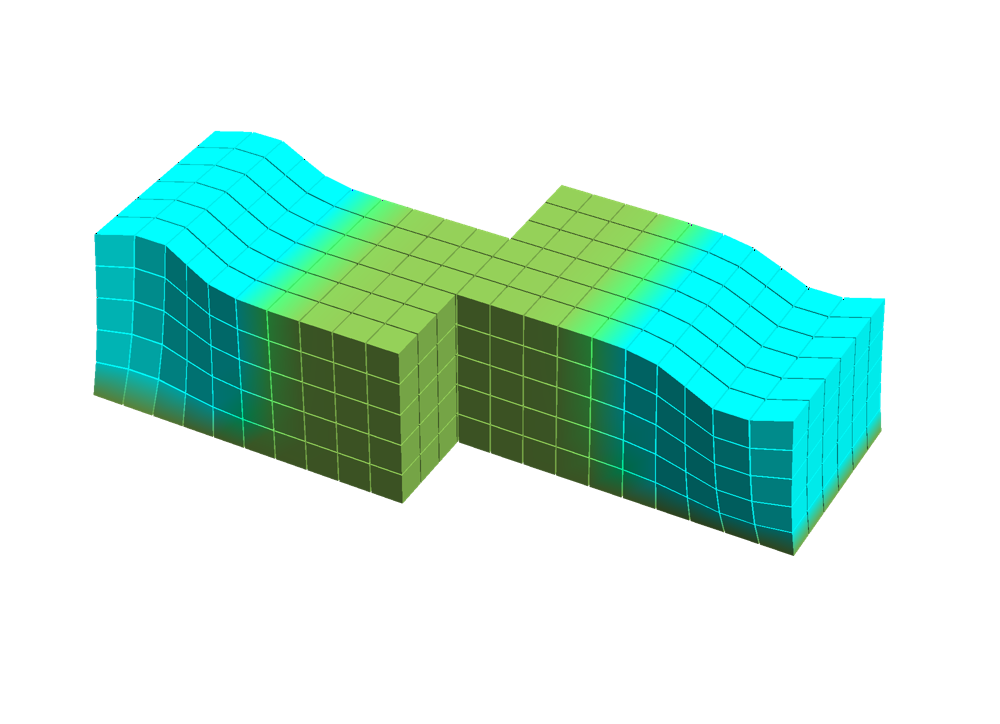
3D and Seismic Data for Structural Analysis and Prediction
Use real-world 3D, seismic and hydrological data to build computational structural dynamics models and multi-hazard prediction in civil protection contexts.
Earthquake DataAnalyze & Visualize EarthquakesHow to Design Earthquake-Resistant Buildings3D Geometry & Modeling FormatsFundamental Concepts of Probabilistic Seismic Hazard AnalysisMap Earthquakes in 3D
3D and Seismic Data for Structural Analysis and Prediction
Use real-world 3D, seismic and hydrological data to build computational structural dynamics models and multi-hazard prediction in civil protection contexts.
Wolfram Resources
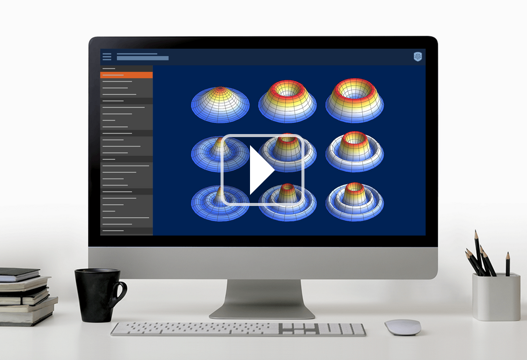
Introduction to Partial Differential Equations
Interactive course
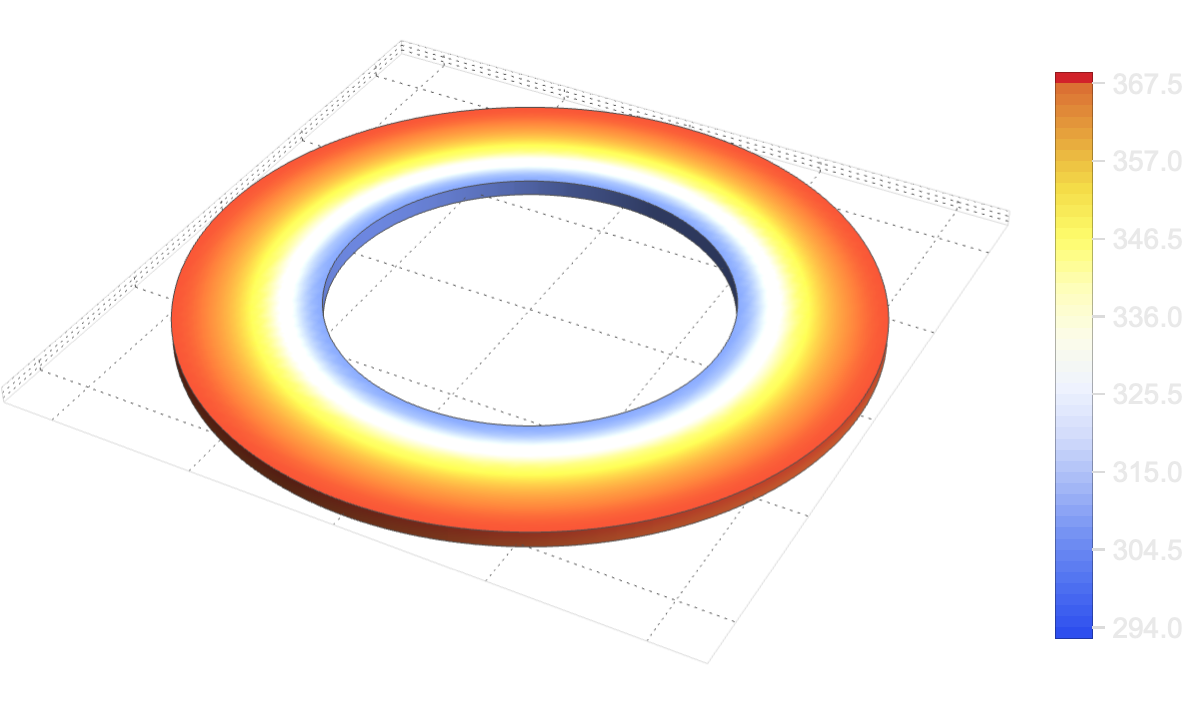
Solid Mechanics Overview
Get started with solid mechanics in Wolfram Language
PDE Applications & Examples
Tutorial
Plasticity
Applications & Examples Monograph
Hyperelasticity
Applications & Examples Monograph
Civil Engineering Group
on Community
Civil Engineering Demonstrations
Interactive examples
Engineering Group
on Community
An Introduction to Mathematica for Civil Engineers
by Malcolm Woodruff
Using Finite Elements to Analyse Structures in Mathematica
by Malcolm Woodruff
Get Wolfram Now
Download for Desktop
Unlock full-speed computing, advanced features and hardware integration—ideal for intensive use.
Wolfram System Modeler
Combine intuitive modeling with powerful computation to design smarter systems.
Let Wolfram Build for You

We deliver solutions for the AI era—combining symbolic computation, data-driven insights and deep technical expertise.