Bring the whole engineering workflow together
- Formulate models coupling symbolic chemical computation and numerical methods
- Analyze the effect of unit operation changes on the entire process performance
- Solve reaction kinetics, coupled transport phenomena, stiff PDEs and algebraically constrained dynamic models
- Design process simulations incorporating kinematics, reaction data and thermodynamics
- Integrate Modelica and FMI for high-fidelity simulations
- Quantify cost, efficiency and production tradeoffs to optimize operating conditions
- Communicate results and decisions through interactive reports and dashboards


Mathematica is our research group's main tool for modeling transport and physiologically based pharmacokinetics (PBPK) in chemical engineering. It brings analytical solutions, numerical simulation and control theory analysis into a single environment and lets us share working models as interactive web tools.
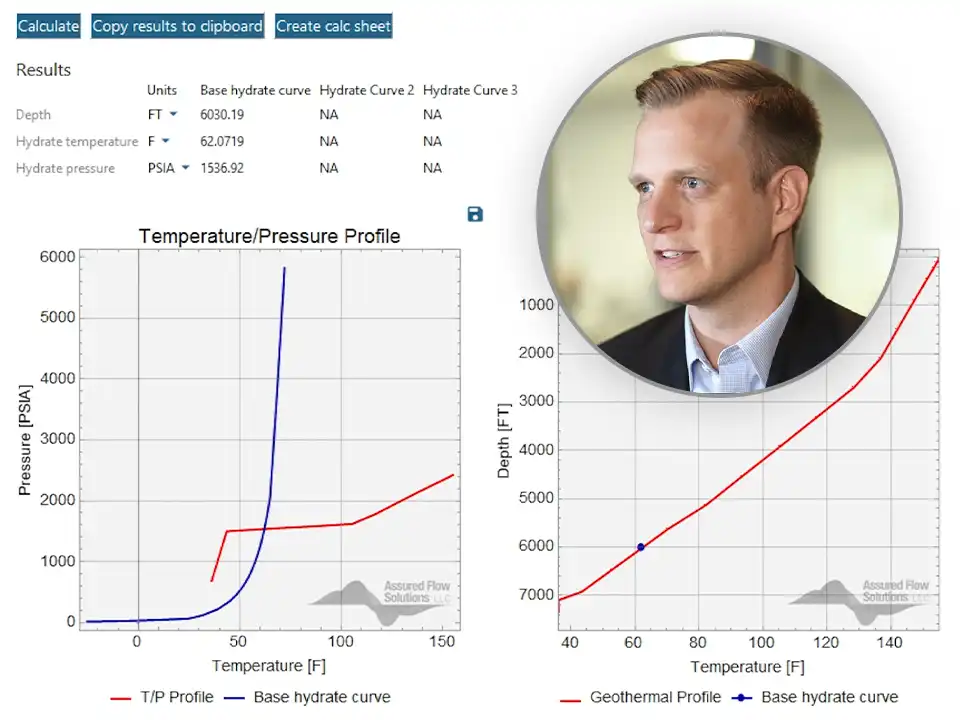
A lot of the causality relationships between components—making sure pressures are equalized, masses and energy are conserved—it all happens automatically, and it's there right out of the box.
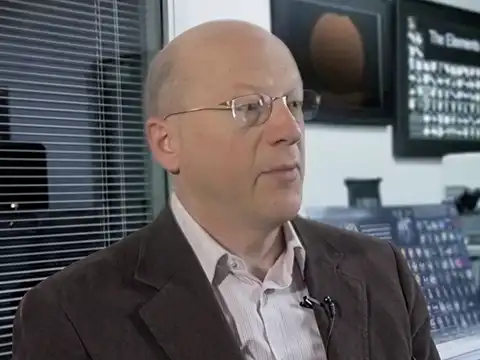
[Mathematica gave me] quite a lot of control over the whole situation, and that was very important… to get a result in a relatively short period of time.
Wolfram Products for Chemical Engineering
Wolfram|One
Wolfram Language & Notebook environment. Includes Mathematica
Wolfram System Modeler
Multidomain modeling and simulation of complex systems
AI Products
Integrating computation and knowledge with modern AI
Model, simulate and optimize

AI, Digital Twins & Machine Learning
Apply machine learning and AI to create data-driven surrogate models that predict process behavior, optimize operations, detect anomalies and accelerate R&D.
Real-Time Digital Twins for Managed Pressure DrillingPredictive Maintenance via Wolfram System Modeler Digital TwinMachine Learning Models for Membrane and Countercurrent Membrane CascadeTubular Heat Exchanger via Machine Learning and Symbolic ODEsWolfram Machine Learning Core AreaMachine Learning on Wolfram Community
AI, Digital Twins & Machine Learning
Apply machine learning and AI to create data-driven surrogate models that predict process behavior, optimize operations, detect anomalies and accelerate R&D.

Process Control Design
Connect process models to operational data for monitoring, fault investigation and model validation.
OPC UA Tank SystemWolfram System ModelerDeploying SimulationsWolfram Control SystemsFunctions for Nonlinear Control SystemsDesign Using State-Space ModelsCommunity Group for ModelingCommunity Group for Control Systems
Process Control Design
Connect process models to operational data for monitoring, fault investigation and model validation.
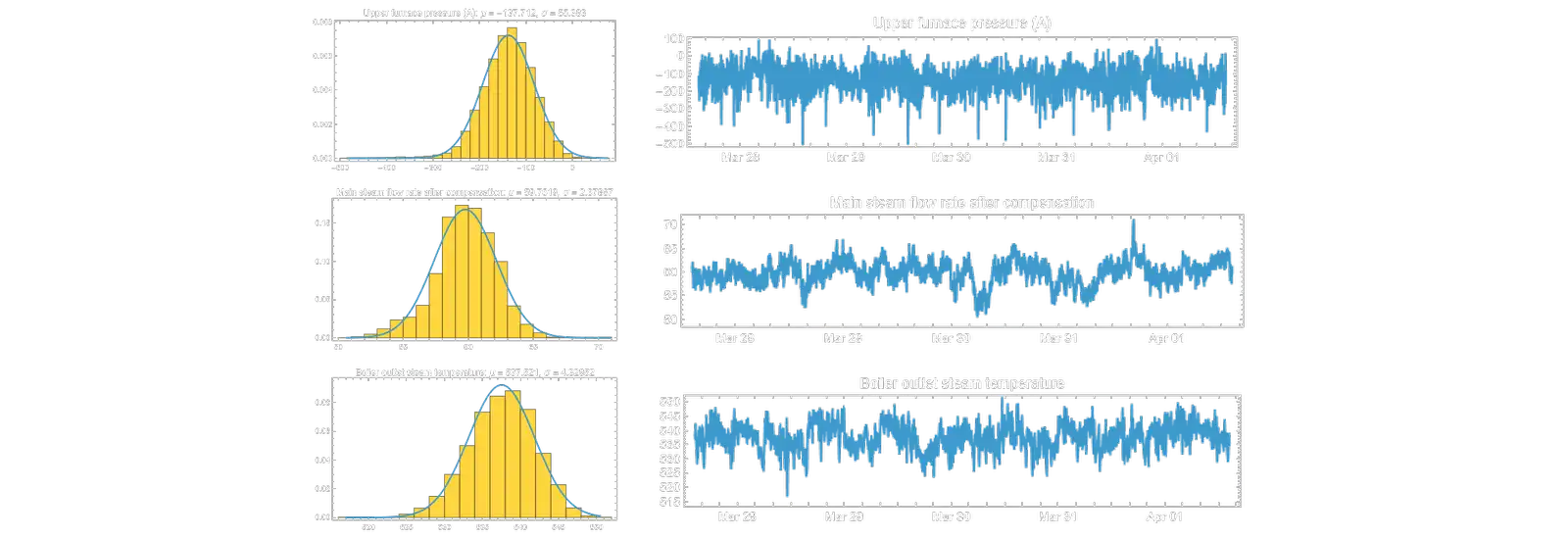
Process Simulation & Optimization
Optimize reactor conditions, control strategies and unit operations with production, cost and safety constraints.
Optimal Control for a Continuously Stirred Tank ReactorOptimal Conditions for CO2/n-Hexane Flash Separation »Optimizing Maleic Anhydride ProductionOptimization CapabilitiesFunctions for Matrix-Based MinimizationDesign and Analyze with System Modeler
Process Simulation & Optimization
Optimize reactor conditions, control strategies and unit operations with production, cost and safety constraints.

Fluid Mechanics
Simulate fluid systems and analyze the effects of component design and operating conditions across compressors, extruders and process networks.
Hybrid Model for HVACTransient Gray–Scott ModelChemical Adsorption in Fixed BedsSolve a Nonlinear Fluid Flow ModelFluid Dynamics PDEs and Boundary ConditionsFluid Modeling in Wolfram System ModelerSystem Modeler Hydraulic LibraryModelica Fluid Library Examples in System ModelerVideo: Modeling Fluid Circuits with System Modeler
Fluid Mechanics
Simulate fluid systems and analyze the effects of component design and operating conditions across compressors, extruders and process networks.

Mass-Energy Balances & Transport
Analyze process streams and energy flows, transport phenomena and equilibrium conditions.
Jump Conditions in Interphase Mass TransferModel Gas Absorption at Liquid SurfaceMicroscale Simulation of Catalyst DeactivationAdiabatic Continuous Stirred Tank and Plug Flow Tubular ReactorsFogler's Isothermal Laminar Flow Reactor via Finite DifferencesFinite Element Analysis of TPMS Heat ExchangerCoupled Heat and Mass Transport with Reaction TermVisualize Pollutant TransportModel a Catalytic ConverterSystem Modeler Medium LibrarySystem Modeler Fluid Media LibraryPDE Modeling Overview
Mass-Energy Balances & Transport
Analyze process streams and energy flows, transport phenomena and equilibrium conditions.

Thermodynamic Simulation
Evaluate reaction feasibility, property changes and efficiency limits using equations of state, phase boundaries and fluid-property changes.
Three-Stage Propane Compressor PSO OptimizationBinary LLE and VLE of Methanol-Cyclohexane MixtureMicroscale Simulation of Catalyst DeactivationDiffusion and Reaction in a Catalyst PelletNonisothermal Effectiveness FactorThermodynamic DataChemical DataPsychrometric Property Data
Thermodynamic Simulation
Evaluate reaction feasibility, property changes and efficiency limits using equations of state, phase boundaries and fluid-property changes.

Unit Operations
Develop and combine high-fidelity unit operations to design, scale and optimize chemical processes.
Controlled Mixing Unit in System ModelerMcCabe–Thiele Method for SeparationDynamic Simulation of a Binary Distillation ColumnInteractive Design of a Shell and Tube Heat ExchangerLiquid Chromatography SimulationDelayed Fick's Law Diffusion through a MembraneAdsorption Column and Riccati Equation
Unit Operations
Develop and combine high-fidelity unit operations to design, scale and optimize chemical processes.

Reactor Engineering
Apply kinetics, thermodynamics and transport equations to reactor design and operation. Predict conversion, selectivity and economic performance.
Optimal Control for a Continuously Stirred Tank ReactorFeedback Control in a Stirred-Tank ReactorIsothermal Plug Flow Reactor with RecycleSeries Reactions in a Batch ReactorReactor Economics DemonstrationMembrane Reactor DemonstrationReactor with Recycle Stream
Reactor Engineering
Apply kinetics, thermodynamics and transport equations to reactor design and operation. Predict conversion, selectivity and economic performance.

Sustainable Chemistry
Wolfram computes trusted results and gives you the edge to innovate for green chemistry, environmental engineering and eliminating pollutants.
Breaking Down Biofuels: Eco-friendly Solutions with MathematicaWolfram for Environmental ScienceSustainable Energy SolutionsFunctions for Reliability Analysis
Sustainable Chemistry
Wolfram computes trusted results and gives you the edge to innovate for green chemistry, environmental engineering and eliminating pollutants.
The Wolfram advantage for chemical engineers

Statistical Computation
Using parametric, nonparametric and estimated distributions, simulate operational processes with block diagrams, fault trees and standby configurations.
Probability & Statistics CapabilitiesResidence Time DistributionsNote on Statistical Model AnalysisReliability Analysis FunctionsRandom Process FunctionsCurve Fitting and ApproximationsAnalysis of Variance Package
Statistical Computation
Using parametric, nonparametric and estimated distributions, simulate operational processes with block diagrams, fault trees and standby configurations.
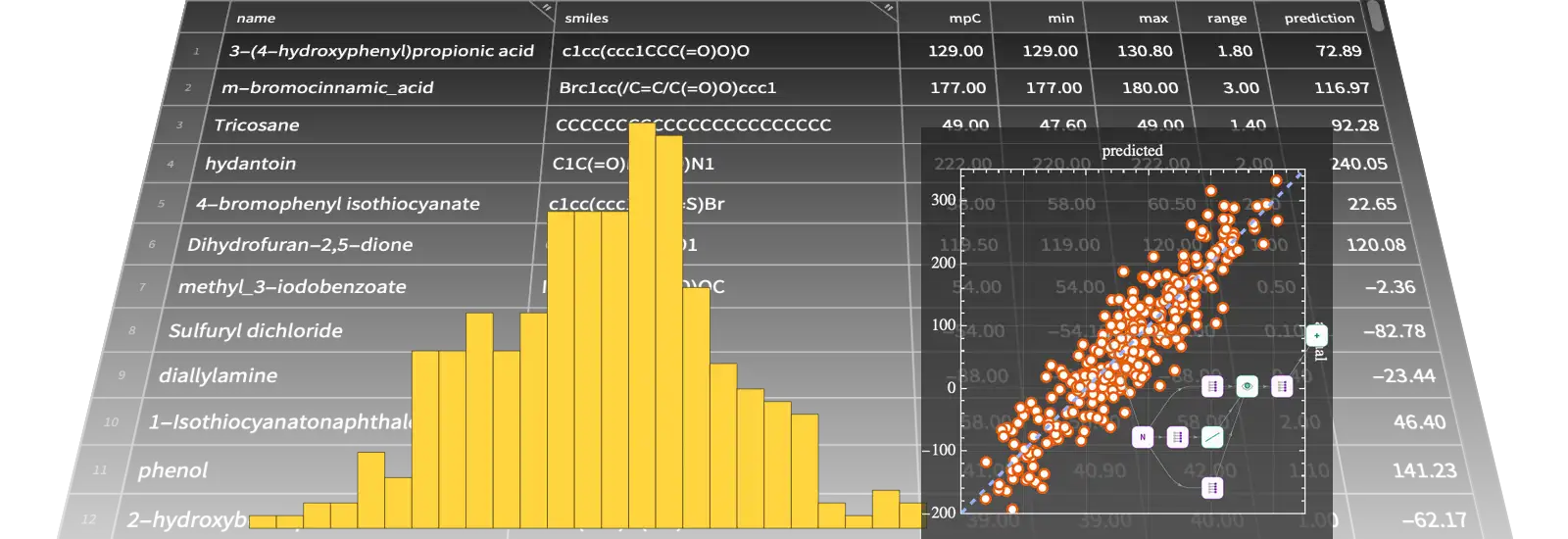
Advanced Numeric Computation
Powerful numerical methods integrate with symbolic derivations for solving complex, applied problems.
Graphical and Homotopy Solutions for CSTR Steady StatesAnalysis of Simple Distillation by Arc-Length ContinuationFunctions for Equation SolvingFEM Core CapabilitiesOrdinary Differential Equations Guide Numerical PDE Model OverviewOptimization CapabilitiesSymbolic Solutions of PDEsOptimized Linear Algebra
Advanced Numeric Computation
Powerful numerical methods integrate with symbolic derivations for solving complex, applied problems.

System Modeling & Analysis
Transform designs into digital twins and specifications into optimized, deployed controllers.
Simulation of Changing Refrigerator TemperaturesValidating Thermal Runaway Risk in Process PlantsIBPSA Library for System ModelerDesign & Analyze with System ModelerSystem Model Analytics & DesignFunctions for Reliability AnalysisWolfram System Modeler Overview
System Modeling & Analysis
Transform designs into digital twins and specifications into optimized, deployed controllers.

Signal Processing & Control Systems
Evaluate feedback, state-space and predictive-control strategies on block- and component-based models.
Feedback Control in a Stirred-Tank ReactorPID Control of Cascaded Water TanksFirst-Order Transfer Functions in Process ControlModeling Fluid Circuits with System ModelerIntegral TransformsControl Systems OverviewSignal Processing Overview
Signal Processing & Control Systems
Evaluate feedback, state-space and predictive-control strategies on block- and component-based models.

Parallel & Asynchronous Computation
Run simulations and optimization tasks concurrently and asynchronously across multicore CPUs, GPUs and distributed resources.
Guide to Local Parallel ComputationRemote Batch JobsInstant Supercompute: Launching Wolfram Compute ServicesBatch Computation on AWS ServiceBatch Computation on Azure ServiceBackground & Scheduled Tasks
Parallel & Asynchronous Computation
Run simulations and optimization tasks concurrently and asynchronously across multicore CPUs, GPUs and distributed resources.

Connect & Deploy
Connect hardware, acquire real-time process data, control equipment and turn instrumentation measurements into actionable chemical engineering insights.
Connect & Deploy with System ModelerImporting & Exporting FilesUsing Connected DevicesDeveloping Device DriversMicrocontroller KitOPC Connection
Connect & Deploy
Connect hardware, acquire real-time process data, control equipment and turn instrumentation measurements into actionable chemical engineering insights.
Wolfram in Action for Chemical Engineering

Modeling Jump Conditions in Interphase Mass Transfer

Modeling Single-Stage Membrane & Countercurrent Membrane Cascade

Validating Thermal Runaway Risk in Process Plants

McCabe–Thiele Method for Methanol/Water Separation

Batch Process—Combine Physical Models with Statecharts
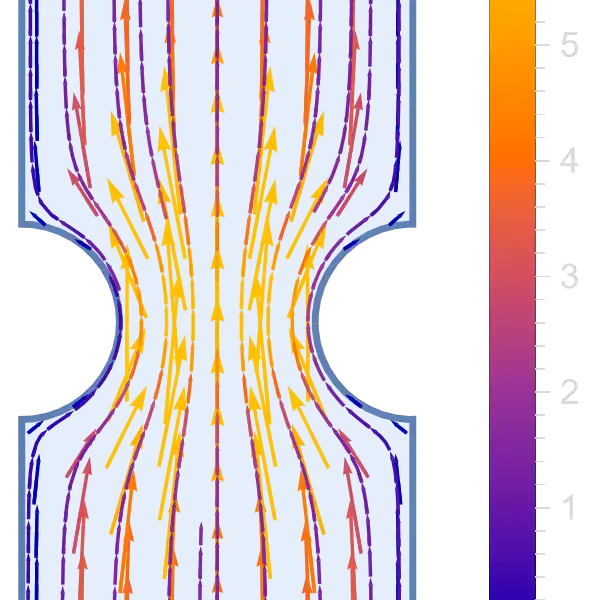
Model Gradient-Driven Flow for Evaluating Pipe Design
 Try It in the Cloud
Wolfram Resources: Explore the community, publications and programming




Get Wolfram Now
Download for Desktop
Unlock full-speed computing, advanced features and hardware integration—ideal for intensive use.
Wolfram System Modeler
Combine intuitive modeling with powerful computation to design smarter systems.
Let Wolfram Build for You

We deliver solutions for the AI era—combining symbolic computation, data-driven insights and deep technical expertise.